In recent years, the concept of biohacking has grown in popularity and is attracting more and more people who want to optimise their health and performance. Biohacking is a form of self-optimisation in which individuals apply various methods and techniques to their physical and mental well-being. This article looks at the basics of biohacking, its methods and its role in personalised health optimisation.
What is biohacking?
Biohacking can be described as a kind of “do-it-yourself biology”. It is about understanding your own body and mind better and optimising them through targeted measures. The term combines “bio” (life) and “hacking” (decoding, control). The concept originally emerged in competitive sports but has since developed into a broader approach that also covers nutrition, sleep, exercise and mental health. Biohackers use various techniques to influence their biological systems. These include dietary changes, special training methods and technologies for monitoring bodily functions. The aim is to realise individual potential and sustainably increase quality of life.
Methods of biohacking
- Nutrition: Biohackers attach great importance to a balanced diet rich in micronutrients. Many rely on special diets such as the ketogenic diet or intermittent fasting, with a focus on metabolism and weight control. Avoiding sugar, processed foods and artificial additives is also a central element.
- Physical activity: Regular exercise is a key part of a healthy lifestyle. Biohackers integrate various forms of training into their everyday lives, including endurance training, strength training and high-intensity interval training (HIIT). Cold exposure is also often used and is being researched in connection with the immune system and recovery.
- Sleep optimisation: Restful sleep is essential for mental and physical well-being. Biohackers use techniques such as sleep tracking with special devices or apps to analyse their sleep. Blue-light-filtering glasses are used so as not to disturb melatonin production before bedtime.
- Mental health: Mindfulness exercises, meditation and gratitude practices are important elements of the biohacking approach to mental well-being. These techniques are used for stress management and developing a positive self-image.
Personalised health optimisation
A key aspect of biohacking is the individualisation of approaches. Every person is unique in terms of genetic predisposition, lifestyle and environmental factors. By measuring body values such as blood pressure, blood glucose or sleep quality, biohackers can make specific adjustments tailored to their individual needs.Technologies such as wearable fitness trackers or health monitoring apps allow users to track their progress in real time and make targeted adjustments. This personalised approach not only raises awareness of one's own body but can also help to detect changes early.
Challenges and risks
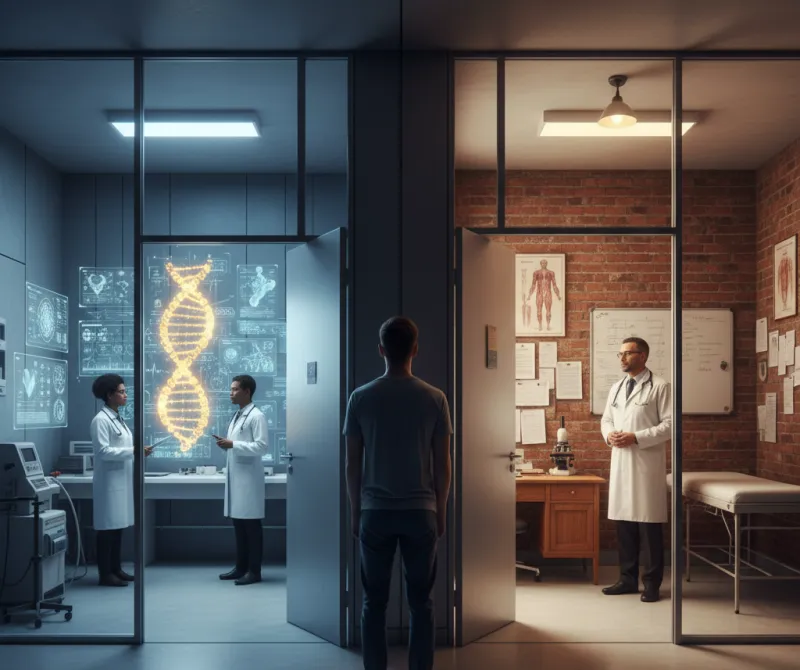
Biohacking also carries risks. Ill-considered applications can be harmful to health, especially for people with pre-existing conditions or special health needs. In addition, there are so far only a few scientific studies on the effectiveness of many biohacking methods, which means that some approaches may not have the desired effect or may even be harmful.It is therefore important for biohackers to have regular medical check-ups and adapt their strategies based on sound information and professional advice.
Another important aspect of biohacking is community. Many biohackers join online communities or local groups to exchange experiences, share knowledge and learn from each other. These networks offer support and motivation as well as access to new ideas and techniques. Workshops are often offered in these communities where members can try out new technologies or work on projects together.
Future developments in biohacking
With advances in biotechnology, biohacking is expected to become even more important. New technologies such as genome editing (e.g. CRISPR) could make it possible to address or even modify genetic predispositions to certain diseases. These developments could revolutionise the concept of biohacking and enable even more individual approaches to health.
In a nutshell
Biohacking offers an exciting approach to personalised health optimisation through self-experimentation and individual adjustments. With the right approach, people can work on their physical fitness and mental well-being and lead a more conscious life. While challenges remain, the trend towards biohacking shows the growing interest in proactive health care at a time when many people are looking for ways to maximise their well-being.The combination of technology, community support and individual adjustment makes biohacking an interesting approach for anyone who wants to actively engage with their health. By getting to know our own bodies and applying innovative methods, we can live more consciously – into old age.