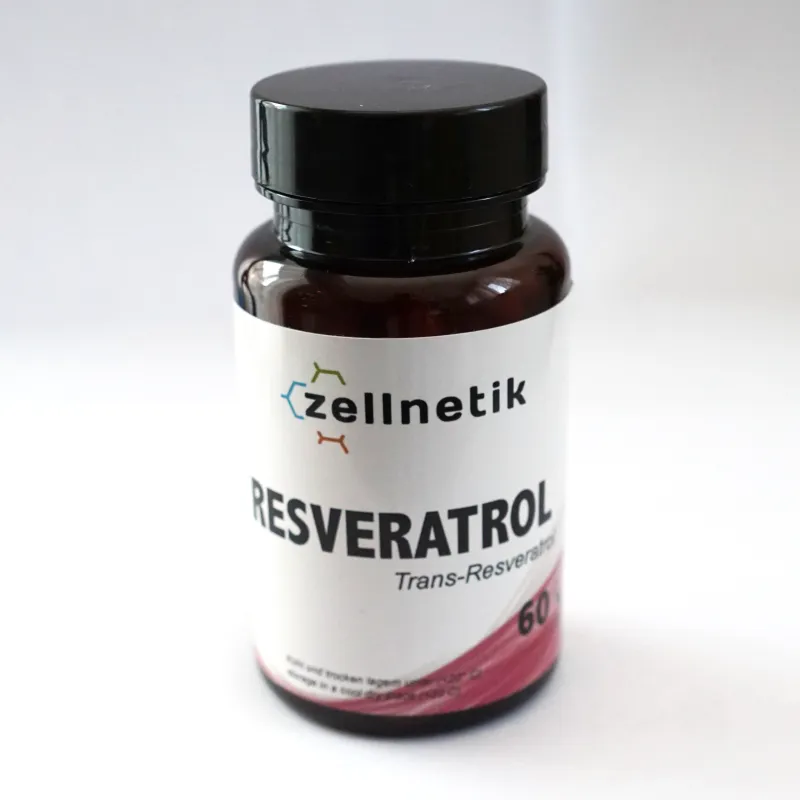
Resveratrol: the polyphenol from the grape
Among the plant compounds studied in nutrition science, one has attracted particular attention over the past two decades: resveratrol. This polyphenol, found above all in grapes and red wine, has often been called a wonder molecule in the popular press. What is actually known about resveratrol, and why does research take an interest in it?
What is resveratrol?
Resveratrol is a naturally occurring polyphenol that belongs to the group of stilbenes. Plants produce it as a defence compound in response to stress, injury and fungal infection. The best-known sources of resveratrol are red grapes and the red wine made from them, but it also occurs in other plants such as peanuts, blueberries and Japanese knotweed (Polygonum cuspidatum), which is the main raw material for commercial extraction.
The structure of resveratrol
The molecular structure of resveratrol consists of two phenol rings connected by an ethylene bridge with a double bond. The molecule exists in a trans and a cis form; the trans form is the more stable and the more frequently studied one. This structure gives resveratrol its properties as an antioxidant in laboratory assays and allows it to interact with various cellular receptors and enzymes.
Antioxidant capacity in the laboratory
Laboratory studies have shown that resveratrol has a high antioxidant capacity in chemical test systems: it neutralises free radicals in vitro. Oxidative stress is discussed in the scientific literature in connection with various chronic conditions and with the ageing process. Whether the antioxidant capacity measured in the test tube has any relevance in the human body, where resveratrol is rapidly metabolised, is an open question.
Areas of research
Cardiovascular research. Numerous studies, most of them in animals and in small human trials, have examined resveratrol in relation to:
- blood lipid values
- blood pressure
- the function of the inner lining of blood vessels (endothelium)
The results are mixed: some trials reported changes in these parameters, others found no difference from placebo. The effects observed in animals are attributed by the authors to the interaction of resveratrol with inflammatory signalling and oxidative processes.
Ageing research. Resveratrol has received particular attention in ageing research. Studies in various organisms, from yeast and worms to fish, reported an extension of lifespan after resveratrol administration. In mice on a high-fat diet, resveratrol was associated with a longer lifespan, whereas in mice on a standard diet no lifespan extension was found. These effects are discussed in connection with the activation of certain proteins, in particular the sirtuin SIRT1. Whether resveratrol activates sirtuins directly or indirectly has been debated in the literature for years.
Cognitive research. Some research findings in animal models point to effects of resveratrol on nerve tissue. Human studies have examined:
- markers associated with neurodegenerative conditions such as Alzheimer disease
- cognitive test performance in older adults
- blood flow in the brain, measured by imaging methods
These trials were small and short, and their results are not consistent.
Cancer research. Laboratory studies have shown that resveratrol inhibits the growth of various cancer cell lines in culture. Although these results have stimulated further research, cell culture findings say nothing about effects in the human body, and no study has demonstrated any relevance of resveratrol in cancer prevention or treatment in humans.
Metabolic research. Studies in animals and in small human trials have examined resveratrol in relation to:
- insulin sensitivity
- blood glucose regulation
- body weight and fat metabolism
Trials in people with type 2 diabetes reported changes in insulin sensitivity in some cases; trials in healthy, non-obese participants mostly found no effect.
Natural sources of resveratrol
Resveratrol can be taken in through the diet. Natural sources include:
- Red grapes (especially the skin)
- Red wine
- Peanuts
- Blueberries
- Mulberries
- Dark chocolate
The resveratrol content of foods varies strongly and is usually low. A glass of red wine contains in the order of one milligram; the doses used in studies are usually one hundred to several thousand times higher.
The French paradox and resveratrol
The French paradox refers to the observation that France, despite a diet comparatively rich in fat, had a comparatively low rate of cardiovascular disease in the epidemiological statistics of the late twentieth century. One theory proposed to explain this phenomenon was the regular consumption of red wine, which contains resveratrol. This theory is disputed, partly because the amount of resveratrol in wine is very small and partly because other explanations exist, but it was the starting point for the scientific interest in resveratrol.
Resveratrol as a supplement
Because of the research interest, resveratrol is also sold as a food supplement. The following points are relevant:
- No dose has been established on the basis of clinical evidence.
- The bioavailability of resveratrol is low: it is absorbed well but rapidly converted into sulfate and glucuronide metabolites in the gut and the liver, so that very little free resveratrol reaches the blood.
- Different formulations are being studied with the aim of changing absorption.
Anyone considering resveratrol supplements should consult a physician beforehand.
Current research and future perspectives
Research on resveratrol is an active field. Current studies concentrate on:
- Dose and form of administration
- Long-term effects of intake
- Possible clinical applications in specific conditions, under investigation
- Interactions with other supplements or medicines
Safety and side effects
Resveratrol is regarded as safe in the amounts that occur in food. At the higher doses found in supplements, the following side effects have been reported in trials:
- Gastrointestinal complaints, in particular at doses above one gram per day
- Headache
- Sleep disturbance when taken in the evening
Resveratrol can also interact with certain medicines, in particular with anticoagulants, because it inhibits platelet aggregation in laboratory assays.
Resveratrol and lifestyle
Whatever the outcome of the ongoing research, resveratrol is not a substitute for a healthy lifestyle. Epidemiological research consistently identifies the following factors as associated with health in older age:
- Regular physical activity
- A balanced, largely plant-based diet
- Sufficient sleep
- Stress management
Resveratrol in different stages of life
Young adults. In this age group, hardly any resveratrol studies exist; the trials conducted so far have mostly recruited middle-aged and older participants.
Middle age. Most human trials on metabolic and cardiovascular parameters recruited participants in this age group, often with existing metabolic conditions.
Older adults. Trials on cognitive parameters and brain blood flow have mostly been conducted in older adults.
Summary
Resveratrol is a well-studied molecule with a broad research literature, ranging from cardiovascular and metabolic studies to ageing research in model organisms and studies on nerve tissue. The research conducted so far has produced many results in cells and animals and a smaller, inconsistent body of human data. Further studies are required to understand whether any of the findings from model organisms apply to humans.
Resveratrol, whether from food or from a supplement, is best regarded as a research topic within the broader context of diet and lifestyle. The future of resveratrol research promises to be interesting: with ongoing studies, a deeper understanding of how this molecule behaves in the human body will emerge. Until then, resveratrol remains a fascinating object of the scientific search for the biological mechanisms of ageing.